Gesture Board: sfz original
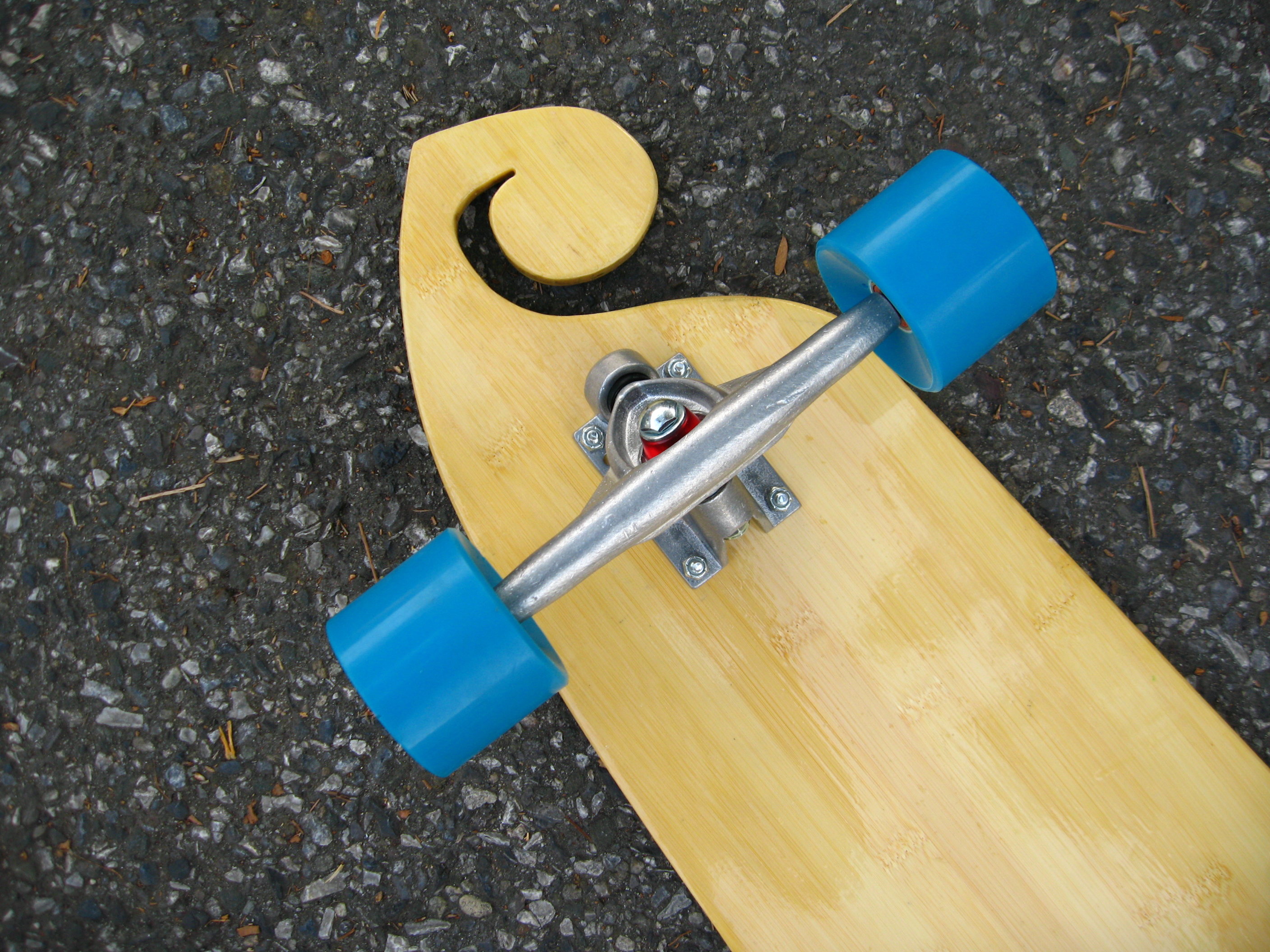
The first Gesture Board, sfz, is made of plyboo. It is cut and sanded with scroll saw and hand sander. I love the flex in this board. The graphic is a Monotype print of hand-drawn designs, done with oil paint.
The first Gesture Board, sfz, is made of plyboo. It is cut and sanded with scroll saw and hand sander. I love the flex in this board. The graphic is a Monotype print of hand-drawn designs, done with oil paint.
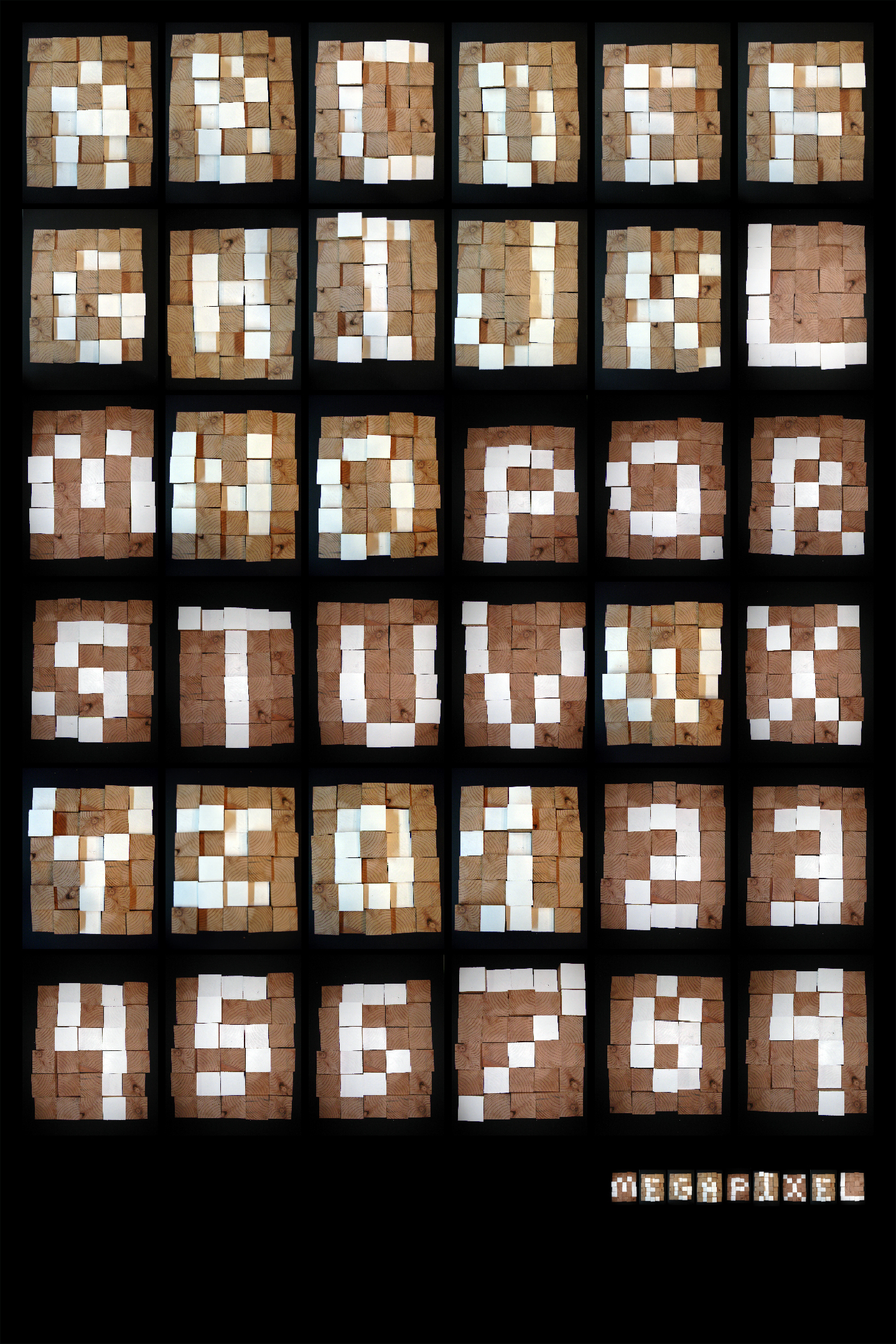
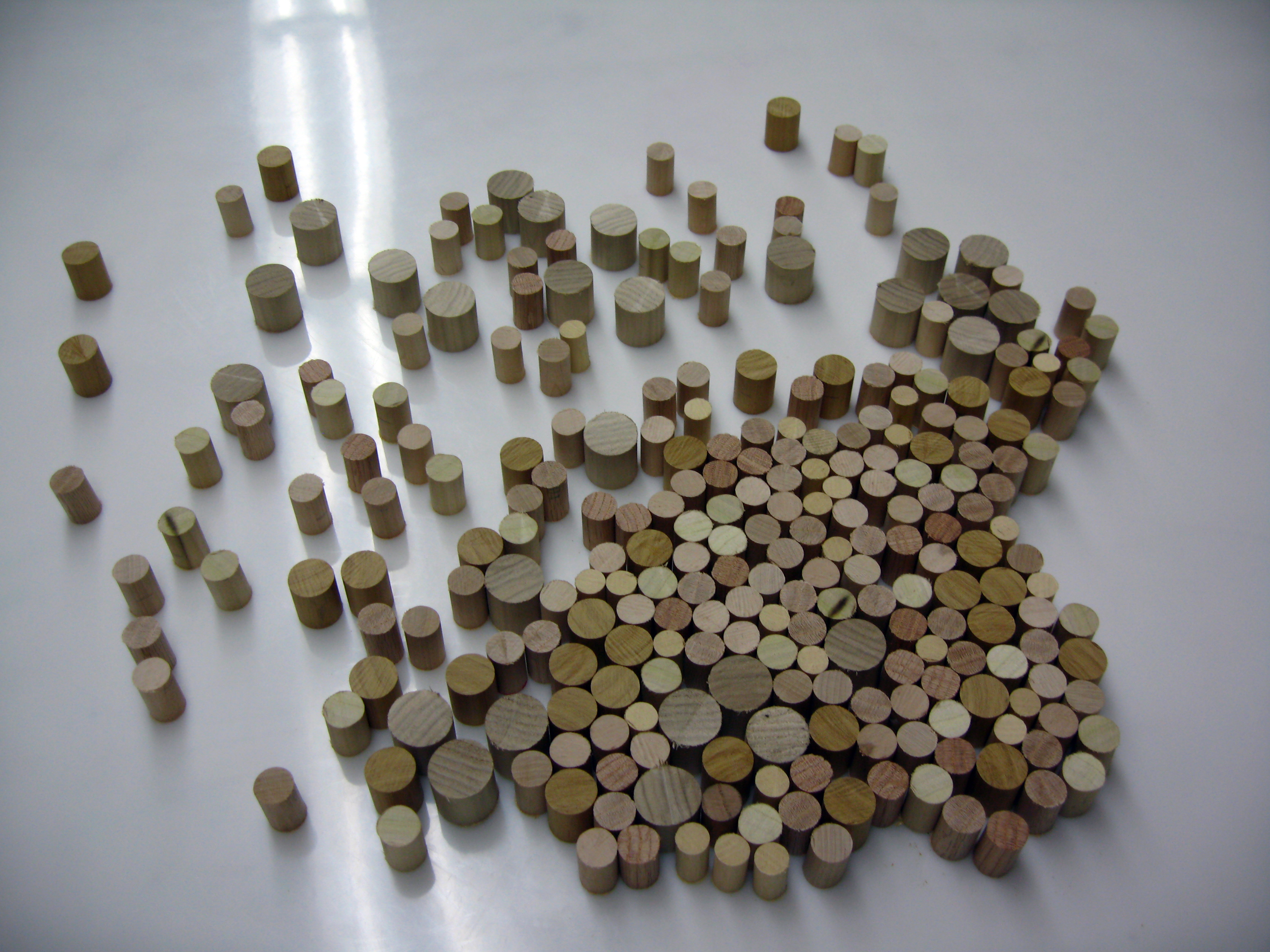
Building on a fascination I have with pixels, I created the megapixel font out of redwood 4×4’s. Each character contains ten white pixels. I know this breaks every rule of typography creation. I just wanted to make it. I was interested in using the same number of pixels per font. The redwood blocks are all of varying height to allow for pixelation in the vertical dimension as well.
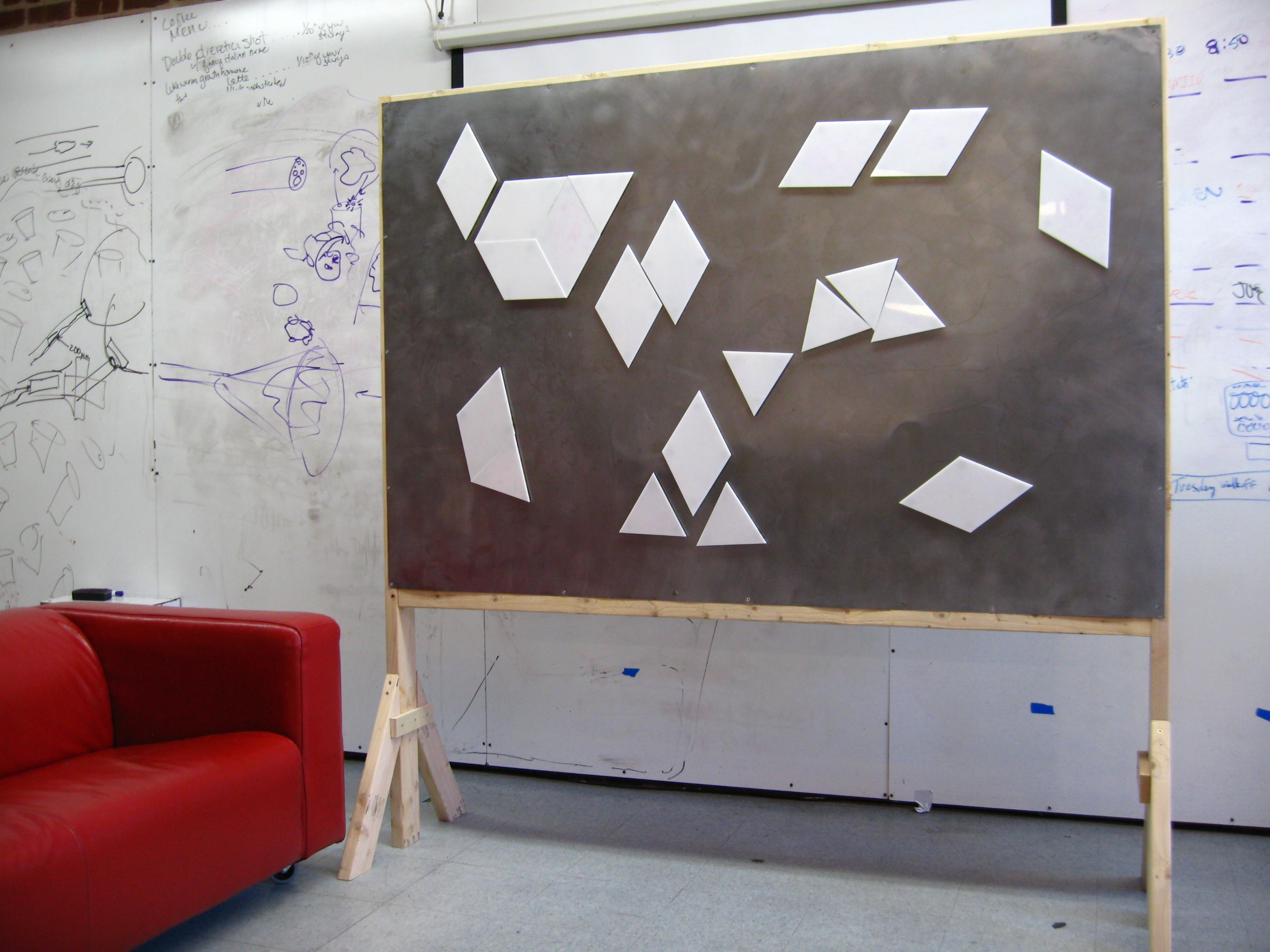
Whiteboards are great for rough sketching of ideas, but they make it hard to move ideas around. Sticky notes are well suited for resorting ideas, but use large amounts of paper and often lose their stick-value if needed for longer projects. I created tanBoard to explore a hybrid concept. TanBoard is a magnet board with … tanBoard
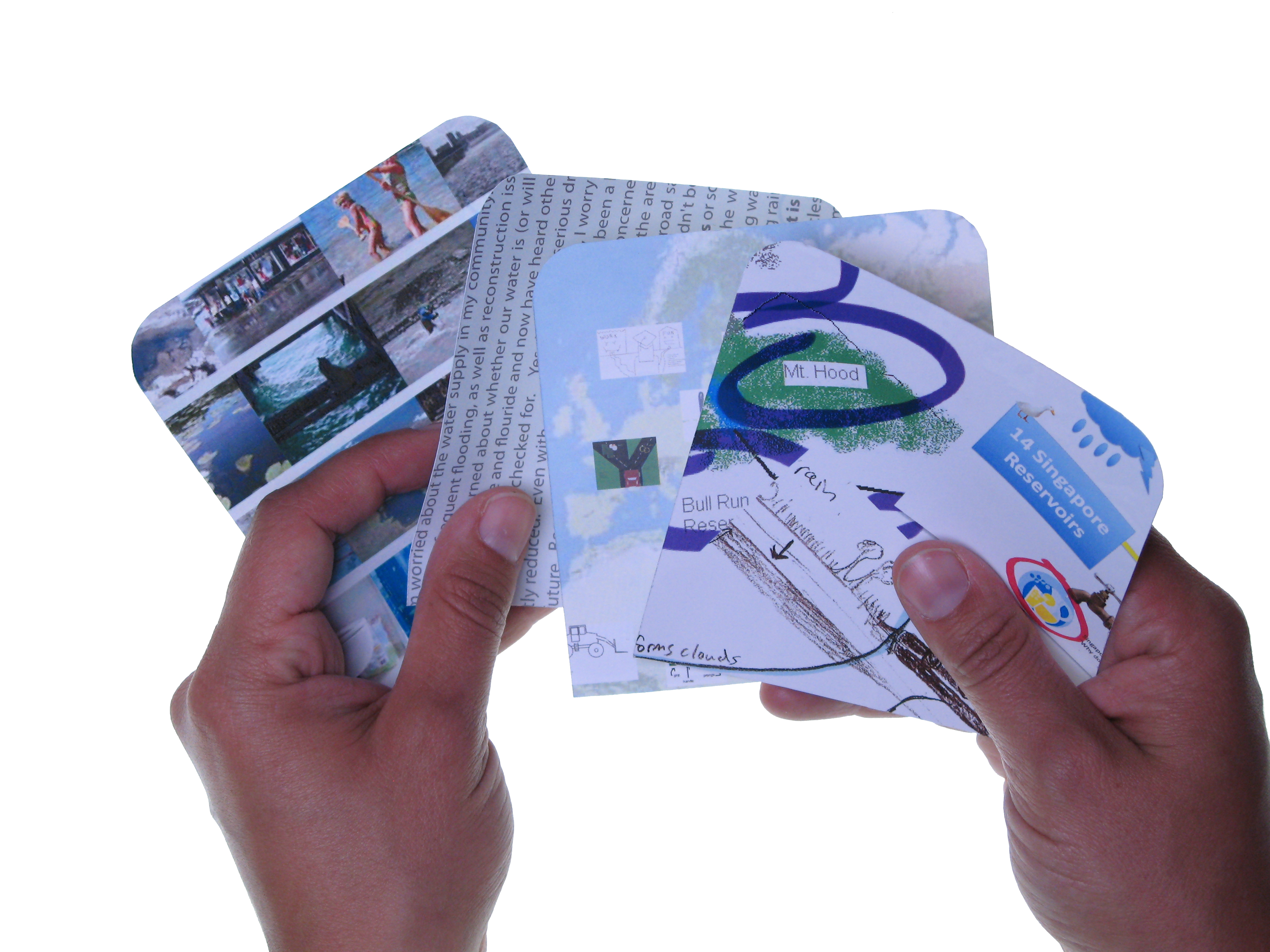
I made this set of method cards based on my emergent design work. This is a collected toolset that I developed in order to glean rich insights from mass numbers of people. The methods are divided into populaters (to find the boundaries of the problem), catalysts (to spark generative responses), and filters (to select specific areas to move forward).
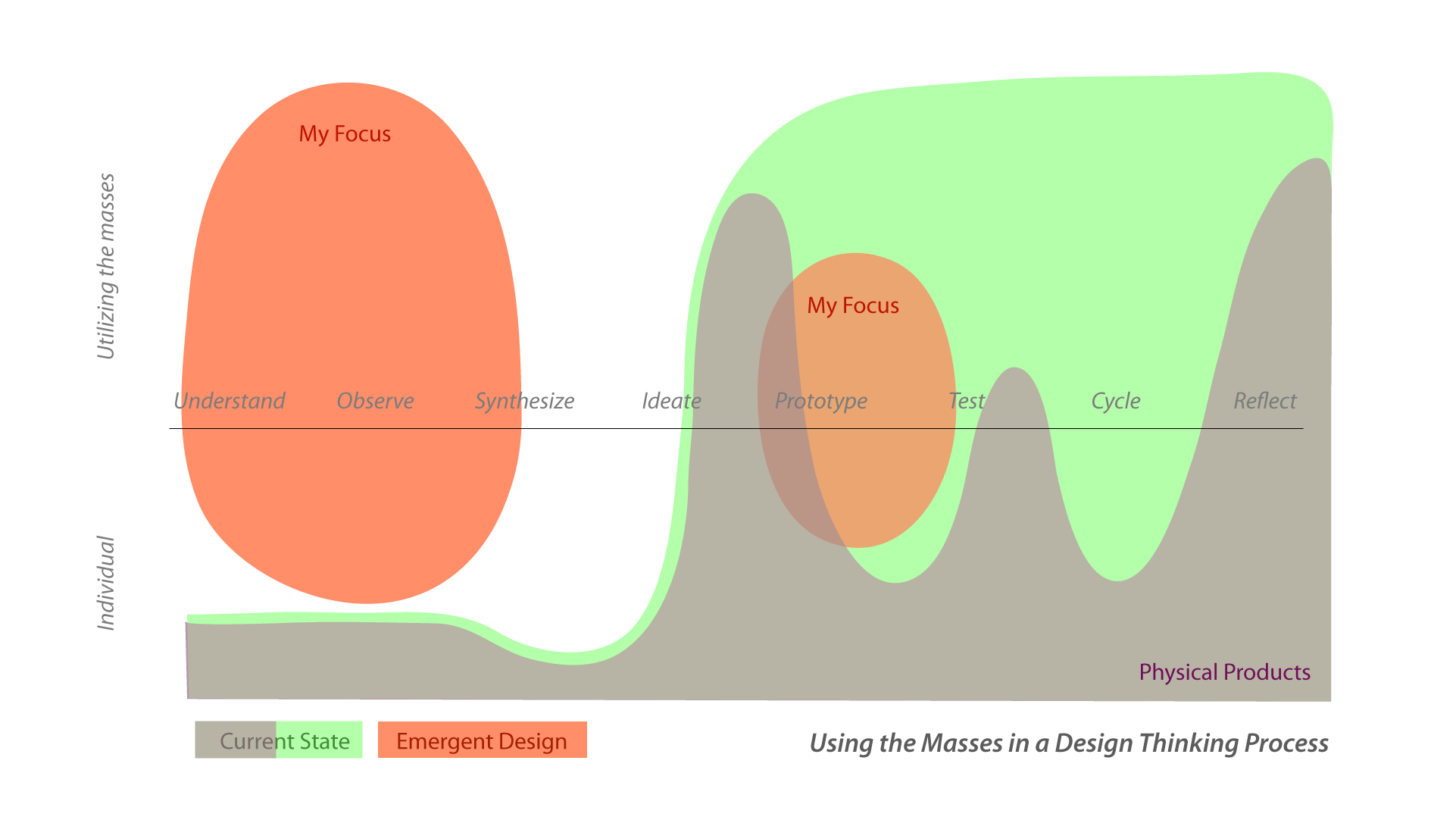
World-scale ethnography. Currently, we have a lot of complex, grand design challenges in the world. We need a design toolset to address these multi-continent, multi-cultural, long time frame problems. As designers, we search for the stories, the gems that inspire our designs. These are the ideas that inform everything about what we design. This is … Using the masses in the design process
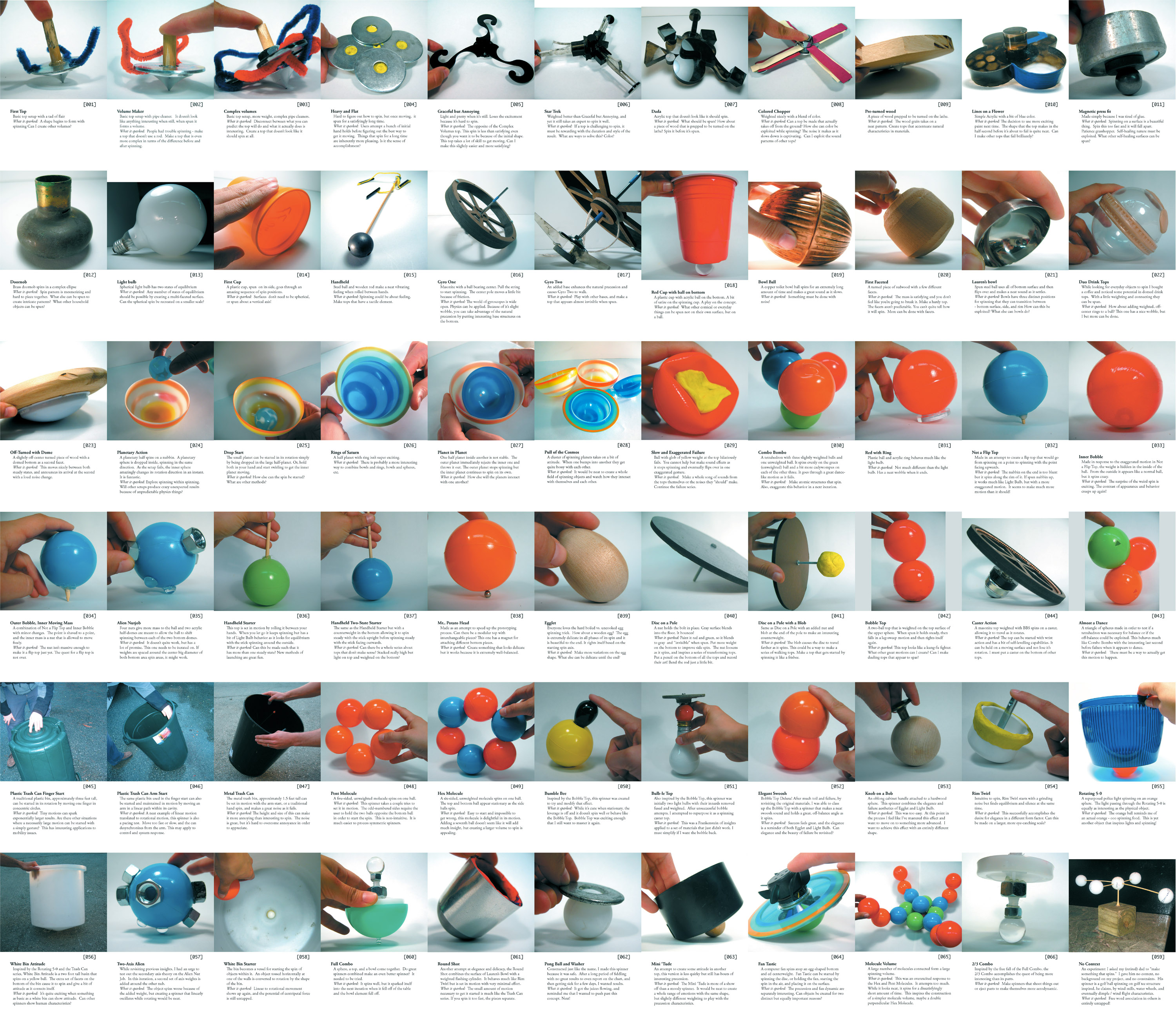
Knowledge transfer through spinning Spin Theory is an exploration of ‘knowledge transfer’ as it applies to design through the creation and mapping of 66 spinning tops. As a human race, we know a lot. How do we transfer this knowledge? What does knowledge transfer mean for design? Spin theory explores these questions via the creation … Spin Theory
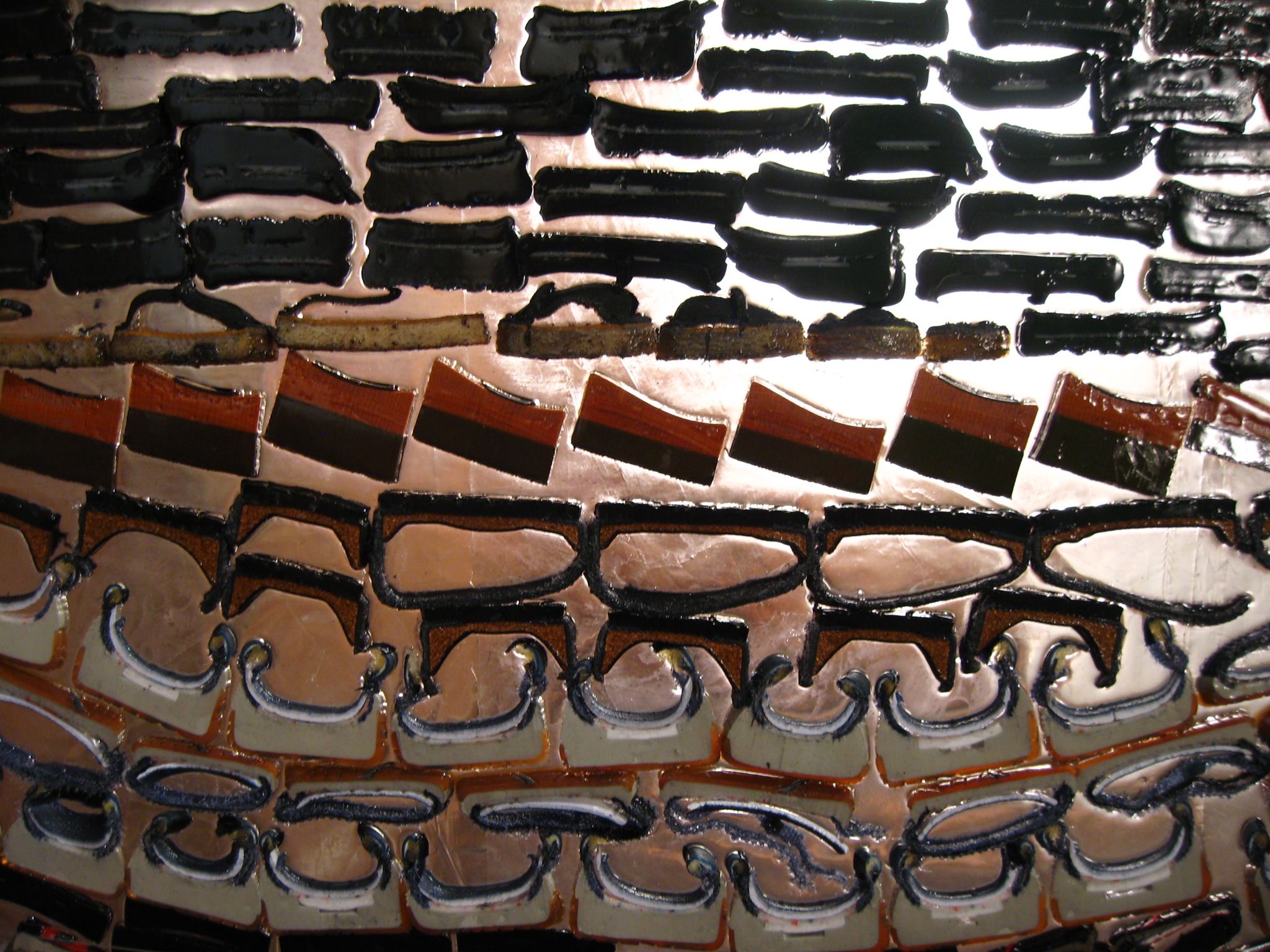
Outcrop 2008 Personal Statement 25 pairs of shoes in polyester resin approximately 4′ x 8′ accompanied by annotated stratigraphic section and enlarged thin sections Geologists often create stratigraphic sections, in order to describe the rock history in an area. These sections sequentially show rock units and describe their contacts, erodibility, and depositional history. Additionally, thin … Outcrop
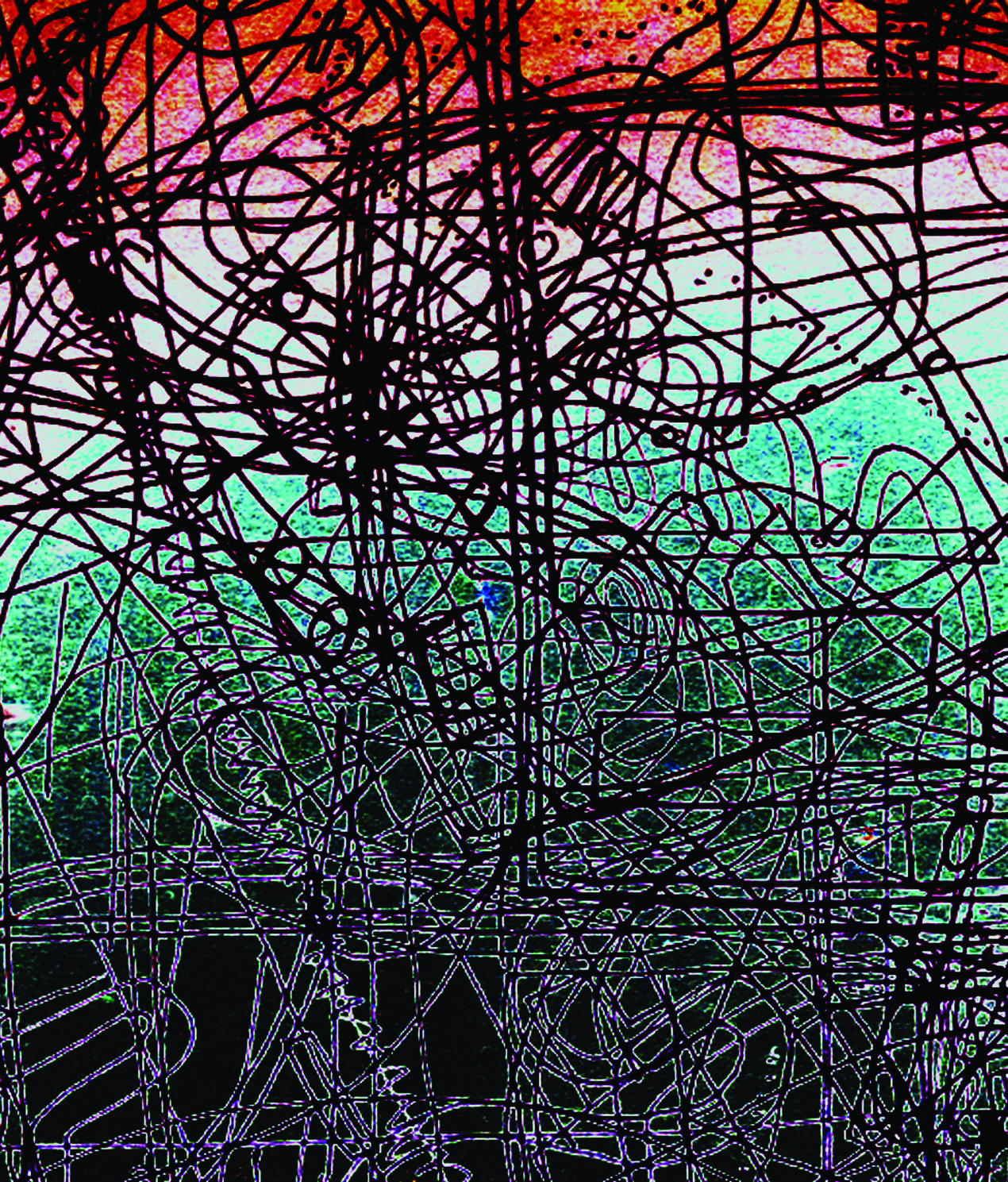
For 17 days in October / November 2007 I made a hand-drawn map of my day. The maps were not to scale but reflected my geographic whereabouts according to my perception of their importance. I made an overlay with all of the maps, and added the colors digitally. I presented the full map and three … Personal Maps
Map of the radiation fallout from Chernobyl
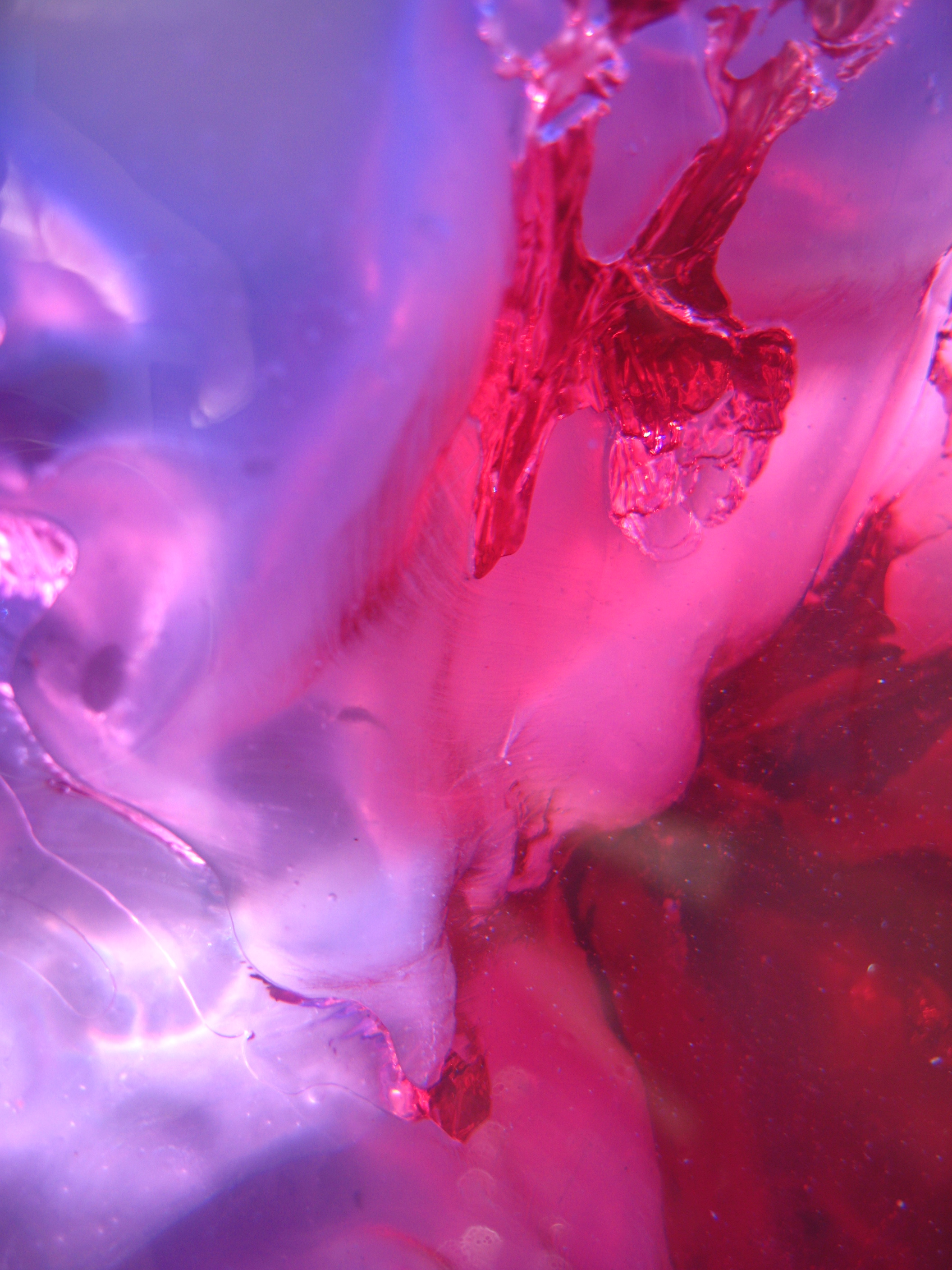
Polyester Resin on a custom light box
Built using actual data contours
The Plinko Floor compresses slightly under each person standing on it, allowing balls to roll under individuals and indicate their presence. I created it to subtly acknowledge other people in an elevator space, a place where we often actively ignore others and attempt to blend ourselves into the background. When placed in a public elevator, … Plinko Floor
You must be logged in to post a comment.